
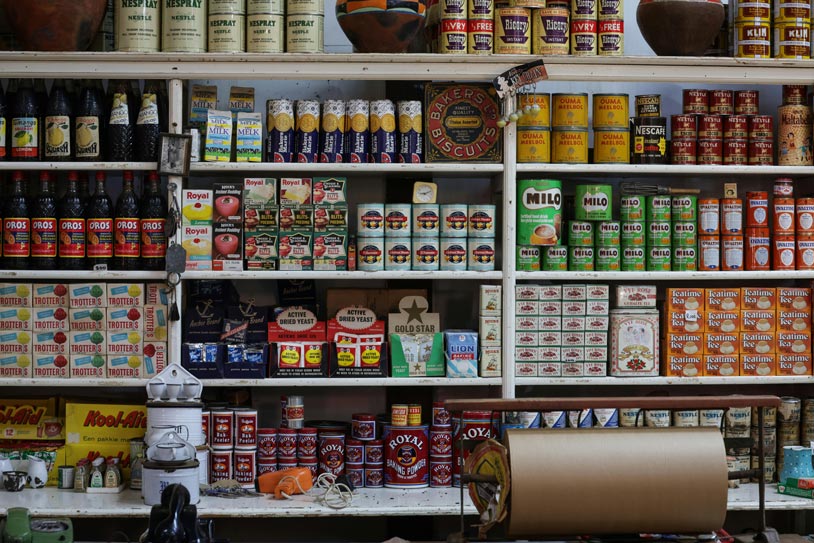
Nostalgia in Modern Branding

Jordan Martins

Posted on

18 Aug, 2025

Jordan Martins

Posted on

18 Aug, 2025

In a world that constantly chases the new, there’s something irresistibly powerful about looking back. Nostalgia has become a key tool in modern branding, allowing businesses to tap into emotions, memories, and cultural touchstones that resonate deeply with audiences. But how can brands strike the balance between honouring the past and staying relevant in the future? This post explores the role of nostalgia in branding and how it can be harnessed to create emotional connections, drive loyalty, and stand the test of time.


The Emotional Power of Nostalgia

At its core, nostalgia is about emotion. It’s a bridge to simpler times, childhood memories, or significant moments in life. This deep emotional connection has immense power. When brands incorporate nostalgic elements into their designs, messaging, or products, they evoke feelings of warmth, comfort, and familiarity. This makes consumers feel more connected to the brand, even on a subconscious level.

Studies have shown that nostalgia can create a sense of belonging and trust, two essential elements for building customer loyalty. Whether it’s the resurgence of a beloved retro logo or a marketing campaign referencing past cultural icons, nostalgic branding taps into these universal emotions to draw customers closer.


Bridging Generations

One of the most fascinating aspects of nostalgia in branding is its ability to bridge generational gaps. For younger consumers, vintage-inspired designs or references to past decades can be intriguing, offering a sense of timelessness and authenticity. Meanwhile, for older generations, it’s a way of reconnecting with their past, bringing back memories of their youth or key moments in their lives.

Think of the success of brands like Coca-Cola, which frequently taps into nostalgia through its classic logo and vintage-themed advertisements. This not only appeals to older audiences who grew up with the brand but also creates a sense of heritage for younger generations who may never have experienced the original designs.


Nostalgia and Modern Design: A Delicate Balance

While nostalgia can be incredibly effective, it’s crucial for modern brands to strike the right balance. A design that’s overly focused on the past can risk feeling outdated or irrelevant. It’s important for nostalgia-driven branding to be infused with modern elements that resonate with current trends and technological advancements.

For example, a brand might revisit a classic logo or a retro colour palette, but pair it with contemporary typography or innovative digital experiences. This fusion of old and new helps create a sense of continuity while ensuring the brand feels fresh and forward-thinking.

In a world that constantly chases the new, there’s something irresistibly powerful about looking back. Nostalgia has become a key tool in modern branding, allowing businesses to tap into emotions, memories, and cultural touchstones that resonate deeply with audiences. But how can brands strike the balance between honouring the past and staying relevant in the future? This post explores the role of nostalgia in branding and how it can be harnessed to create emotional connections, drive loyalty, and stand the test of time.


The Emotional Power of Nostalgia

At its core, nostalgia is about emotion. It’s a bridge to simpler times, childhood memories, or significant moments in life. This deep emotional connection has immense power. When brands incorporate nostalgic elements into their designs, messaging, or products, they evoke feelings of warmth, comfort, and familiarity. This makes consumers feel more connected to the brand, even on a subconscious level.

Studies have shown that nostalgia can create a sense of belonging and trust, two essential elements for building customer loyalty. Whether it’s the resurgence of a beloved retro logo or a marketing campaign referencing past cultural icons, nostalgic branding taps into these universal emotions to draw customers closer.


Bridging Generations

One of the most fascinating aspects of nostalgia in branding is its ability to bridge generational gaps. For younger consumers, vintage-inspired designs or references to past decades can be intriguing, offering a sense of timelessness and authenticity. Meanwhile, for older generations, it’s a way of reconnecting with their past, bringing back memories of their youth or key moments in their lives.

Think of the success of brands like Coca-Cola, which frequently taps into nostalgia through its classic logo and vintage-themed advertisements. This not only appeals to older audiences who grew up with the brand but also creates a sense of heritage for younger generations who may never have experienced the original designs.


Nostalgia and Modern Design: A Delicate Balance

While nostalgia can be incredibly effective, it’s crucial for modern brands to strike the right balance. A design that’s overly focused on the past can risk feeling outdated or irrelevant. It’s important for nostalgia-driven branding to be infused with modern elements that resonate with current trends and technological advancements.

For example, a brand might revisit a classic logo or a retro colour palette, but pair it with contemporary typography or innovative digital experiences. This fusion of old and new helps create a sense of continuity while ensuring the brand feels fresh and forward-thinking.

In a world that constantly chases the new, there’s something irresistibly powerful about looking back. Nostalgia has become a key tool in modern branding, allowing businesses to tap into emotions, memories, and cultural touchstones that resonate deeply with audiences. But how can brands strike the balance between honouring the past and staying relevant in the future? This post explores the role of nostalgia in branding and how it can be harnessed to create emotional connections, drive loyalty, and stand the test of time.


The Emotional Power of Nostalgia

At its core, nostalgia is about emotion. It’s a bridge to simpler times, childhood memories, or significant moments in life. This deep emotional connection has immense power. When brands incorporate nostalgic elements into their designs, messaging, or products, they evoke feelings of warmth, comfort, and familiarity. This makes consumers feel more connected to the brand, even on a subconscious level.

Studies have shown that nostalgia can create a sense of belonging and trust, two essential elements for building customer loyalty. Whether it’s the resurgence of a beloved retro logo or a marketing campaign referencing past cultural icons, nostalgic branding taps into these universal emotions to draw customers closer.


Bridging Generations

One of the most fascinating aspects of nostalgia in branding is its ability to bridge generational gaps. For younger consumers, vintage-inspired designs or references to past decades can be intriguing, offering a sense of timelessness and authenticity. Meanwhile, for older generations, it’s a way of reconnecting with their past, bringing back memories of their youth or key moments in their lives.

Think of the success of brands like Coca-Cola, which frequently taps into nostalgia through its classic logo and vintage-themed advertisements. This not only appeals to older audiences who grew up with the brand but also creates a sense of heritage for younger generations who may never have experienced the original designs.


Nostalgia and Modern Design: A Delicate Balance

While nostalgia can be incredibly effective, it’s crucial for modern brands to strike the right balance. A design that’s overly focused on the past can risk feeling outdated or irrelevant. It’s important for nostalgia-driven branding to be infused with modern elements that resonate with current trends and technological advancements.

For example, a brand might revisit a classic logo or a retro colour palette, but pair it with contemporary typography or innovative digital experiences. This fusion of old and new helps create a sense of continuity while ensuring the brand feels fresh and forward-thinking.

"Nostalgia in branding is not just about looking back—it's about creating a timeless connection that bridges generations and makes the past relevant in the present."

"Nostalgia in branding is not just about looking back—it's about creating a timeless connection that bridges generations and makes the past relevant in the present."

"Nostalgia in branding is not just about looking back—it's about creating a timeless connection that bridges generations and makes the past relevant in the present."

Creating Timeless Appeal

One of the most powerful aspects of nostalgia in branding is its ability to create something that feels timeless. When a brand successfully taps into nostalgia, it does more than just reminisce about the past, it creates an enduring sense of relevance. Nostalgic branding offers consumers a reminder of something they love and trust, while also showcasing how the brand has evolved and adapted to modern times.

This is why brands like Apple and Nike successfully incorporate elements of their past in their current branding strategies. They maintain the emotional resonance of their history while still pushing boundaries and staying on the cutting edge of innovation.

Nostalgia as a Marketing Strategy

Incorporating nostalgia into your branding isn’t just about tapping into fond memories; it’s a powerful marketing strategy. Whether it’s through limited-edition products, throwback advertisements, or campaigns that reference a bygone era, nostalgia can drive consumer engagement and foster deeper emotional ties with your audience.

However, it’s essential to ensure that nostalgia aligns with your brand's values and messaging. The goal is not to simply rely on the past for the sake of it, but to authentically incorporate nostalgic elements that strengthen your brand's identity and message.


Creating Timeless Appeal

One of the most powerful aspects of nostalgia in branding is its ability to create something that feels timeless. When a brand successfully taps into nostalgia, it does more than just reminisce about the past, it creates an enduring sense of relevance. Nostalgic branding offers consumers a reminder of something they love and trust, while also showcasing how the brand has evolved and adapted to modern times.

This is why brands like Apple and Nike successfully incorporate elements of their past in their current branding strategies. They maintain the emotional resonance of their history while still pushing boundaries and staying on the cutting edge of innovation.

Nostalgia as a Marketing Strategy

Incorporating nostalgia into your branding isn’t just about tapping into fond memories; it’s a powerful marketing strategy. Whether it’s through limited-edition products, throwback advertisements, or campaigns that reference a bygone era, nostalgia can drive consumer engagement and foster deeper emotional ties with your audience.

However, it’s essential to ensure that nostalgia aligns with your brand's values and messaging. The goal is not to simply rely on the past for the sake of it, but to authentically incorporate nostalgic elements that strengthen your brand's identity and message.

Creating Timeless Appeal

One of the most powerful aspects of nostalgia in branding is its ability to create something that feels timeless. When a brand successfully taps into nostalgia, it does more than just reminisce about the past, it creates an enduring sense of relevance. Nostalgic branding offers consumers a reminder of something they love and trust, while also showcasing how the brand has evolved and adapted to modern times.

This is why brands like Apple and Nike successfully incorporate elements of their past in their current branding strategies. They maintain the emotional resonance of their history while still pushing boundaries and staying on the cutting edge of innovation.

Nostalgia as a Marketing Strategy

Incorporating nostalgia into your branding isn’t just about tapping into fond memories; it’s a powerful marketing strategy. Whether it’s through limited-edition products, throwback advertisements, or campaigns that reference a bygone era, nostalgia can drive consumer engagement and foster deeper emotional ties with your audience.

However, it’s essential to ensure that nostalgia aligns with your brand's values and messaging. The goal is not to simply rely on the past for the sake of it, but to authentically incorporate nostalgic elements that strengthen your brand's identity and message.

The Power of the Past, Shaping the Future

In modern branding, nostalgia serves as a bridge between generations, an emotional connector, and a tool for timeless relevance. It reminds us that the past is never truly gone, it lives on in the way we design, the stories we tell, and the experiences we offer. By carefully blending nostalgia with innovation, brands can craft experiences that resonate with consumers, create loyalty, and continue to thrive in an ever-evolving world.

The past may be gone, but its influence on branding is here to stay. And in the world of modern marketing, this influence is a powerful tool for brands aiming to leave a lasting legacy.


The Power of the Past, Shaping the Future

In modern branding, nostalgia serves as a bridge between generations, an emotional connector, and a tool for timeless relevance. It reminds us that the past is never truly gone, it lives on in the way we design, the stories we tell, and the experiences we offer. By carefully blending nostalgia with innovation, brands can craft experiences that resonate with consumers, create loyalty, and continue to thrive in an ever-evolving world.

The past may be gone, but its influence on branding is here to stay. And in the world of modern marketing, this influence is a powerful tool for brands aiming to leave a lasting legacy.

The Power of the Past, Shaping the Future

In modern branding, nostalgia serves as a bridge between generations, an emotional connector, and a tool for timeless relevance. It reminds us that the past is never truly gone, it lives on in the way we design, the stories we tell, and the experiences we offer. By carefully blending nostalgia with innovation, brands can craft experiences that resonate with consumers, create loyalty, and continue to thrive in an ever-evolving world.

The past may be gone, but its influence on branding is here to stay. And in the world of modern marketing, this influence is a powerful tool for brands aiming to leave a lasting legacy.

Background
Shape

Book a Free 15-Minute Intro Call for

Your Project

No cost, no commitment

Discuss your goals

See if we’re the right fit

Background
Shape

Book a Free 15-Minute Intro Call for

Your Project

No cost, no commitment

Discuss your goals

See if we’re the right fit

Background
Shape

Book a Free
15- Minute
Intro Call for

Your Project

No cost, no commitment

Discuss your goals

See if we’re the right fit

Share via:

Share

Background

JM Digital is experiencing a high volume of bookings, so slots are limited. For faster service, email hello@jordan-martins.com for a same-day response.

Image

Book an Intro

Call

Schedule a quick, 15 minute guided tour through JM Digital, and how we would help your business today.

Background

JM Digital is experiencing a high volume of bookings, so slots are limited. For faster service, email hello@jordan-martins.com for a same-day response.

Image

Book an Intro

Call

Schedule a quick, 15 minute guided tour through JM Digital, and how we would help your business today.

Background

Your New

Creative Marketing

Partner

JM Digital is experiencing a high volume of bookings, so slots are limited. For faster service, email hello@jordan-martins.com for a same-day response.

Image

Book an Intro

Call

Schedule a quick, 15 minute guided tour through JM Digital, and how we would help your business today.